Class Store Prize Ideas: Stocking a Classroom Economy on a Budget
What do teachers put in a class store?
A class store (school store, classroom store, whatever your grade level calls it) is the cash-out end of a classroom economy: students earn class currency through the week, via table points, punch cards, classroom jobs, or tickets, and spend it on store day. The store is where the economy either holds together or falls apart, and it usually falls apart the same way: a single undifferentiated bin of trinkets, all costing roughly the same, none worth saving for. Spending becomes reflexive, the novelty burns off by October, and you're left restocking a bin nobody's excited about.
The fix is structural, not financial: stock three tiers with a real gap between them. A free tier of privileges, a low tier of consumables, and a small anchor tier of prizes kids keep, priced high enough in class currency that a student has to hold their earnings across a week or more to reach one. The gap makes the anchor aspirational, gives your savers something to do, and keeps your out-of-pocket cost concentrated in the one tier where an object earns its price.
The free shelf: privileges (the best stock costs nothing)
Ask around any grade-level team and you'll hear the same thing: the most-purchased items in a class store are usually the ones that cost the teacher nothing. Line leader for a day. A shoes-off pass. A turn in the teacher's chair during independent reading. Sitting with a friend at lunch. First pick of classroom jobs. A homework pass, if your grade level allows it. These belong in the store at a price. Putting a privilege on the price list turns it from a favor into a purchase, and students routinely value them above objects because they're experiences the kid chose and paid for.
We sell none of these, obviously, and a store whose most popular shelf is free is a store you can afford to run all year. Stock the free tier generously: five or six privileges, priced across a range so there's a cheap one and a splurge. For a deeper pass on privilege-first systems and when a physical prize earns its place, see our classroom reward ideas guide.
The low tier and the anchor shelf
The low tier is consumables: sticker sheets, pencils, erasers, a bookmark, a spin on the prize wheel. Generic categories are fine here; this shelf's job is the quick win, the thing a student who earned a modest week can still walk away with. Price it at a day or two of typical earnings and don't overthink the sourcing. Pocket-change items doing a pocket-change job.
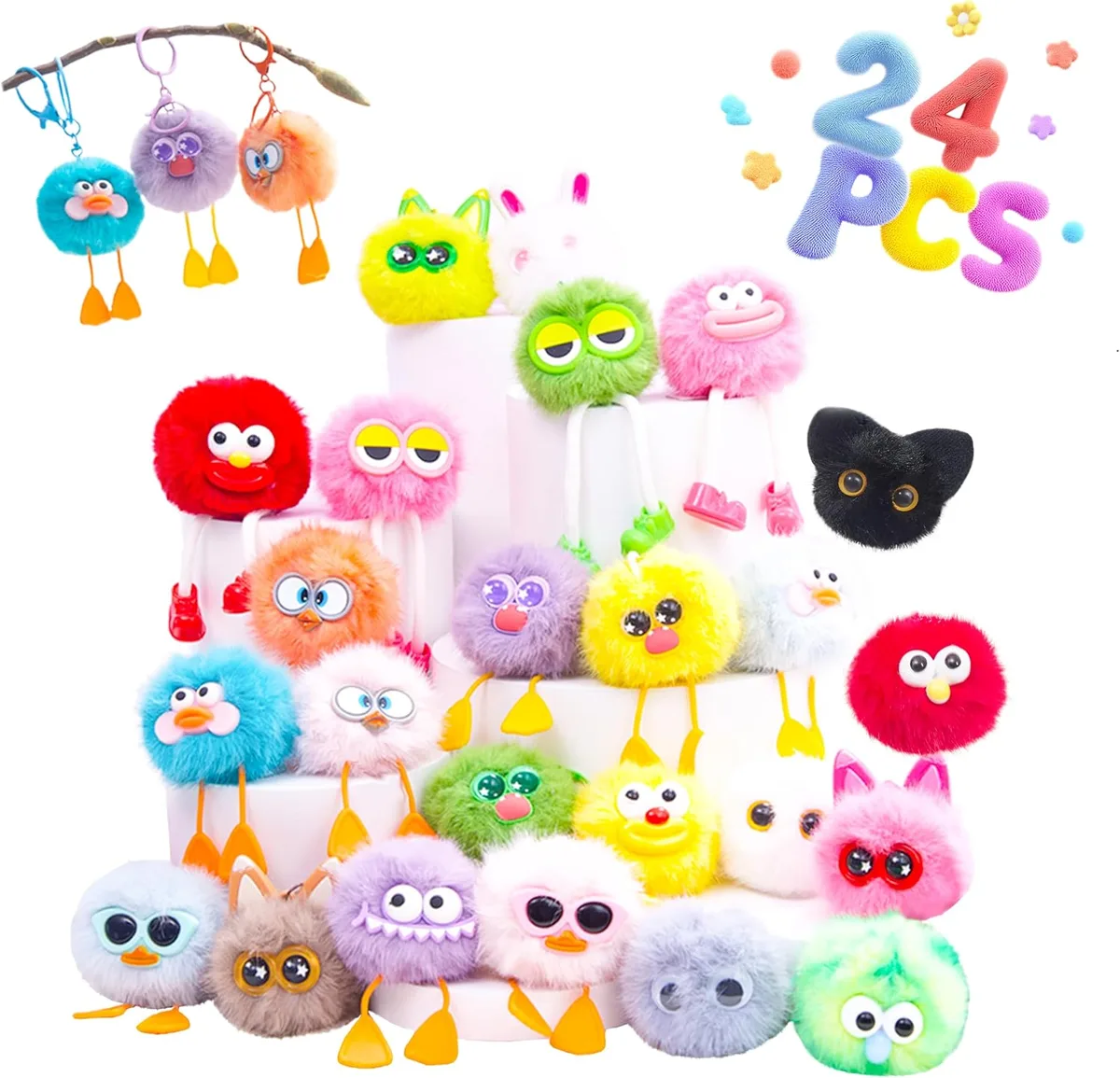
The anchor shelf is where the store earns its reputation, and it's the one tier worth stocking deliberately. Anchors are the prizes kids hold onto: a clip-on charm that rides a backpack zipper, a soft squishy that doubles as a fidget, a pen with enough personality that it gets used daily. Two rules govern the shelf. First, an anchor has to survive being owned; it should still be in the student's possession a week after purchase, or it was a consumable wearing an anchor's price tag. Second, assortment matters. A pack with two dozen different designs means the student who saved two weeks gets to choose, and the one they chose is the one they keep. Here's what we'd put on it, with live pricing:

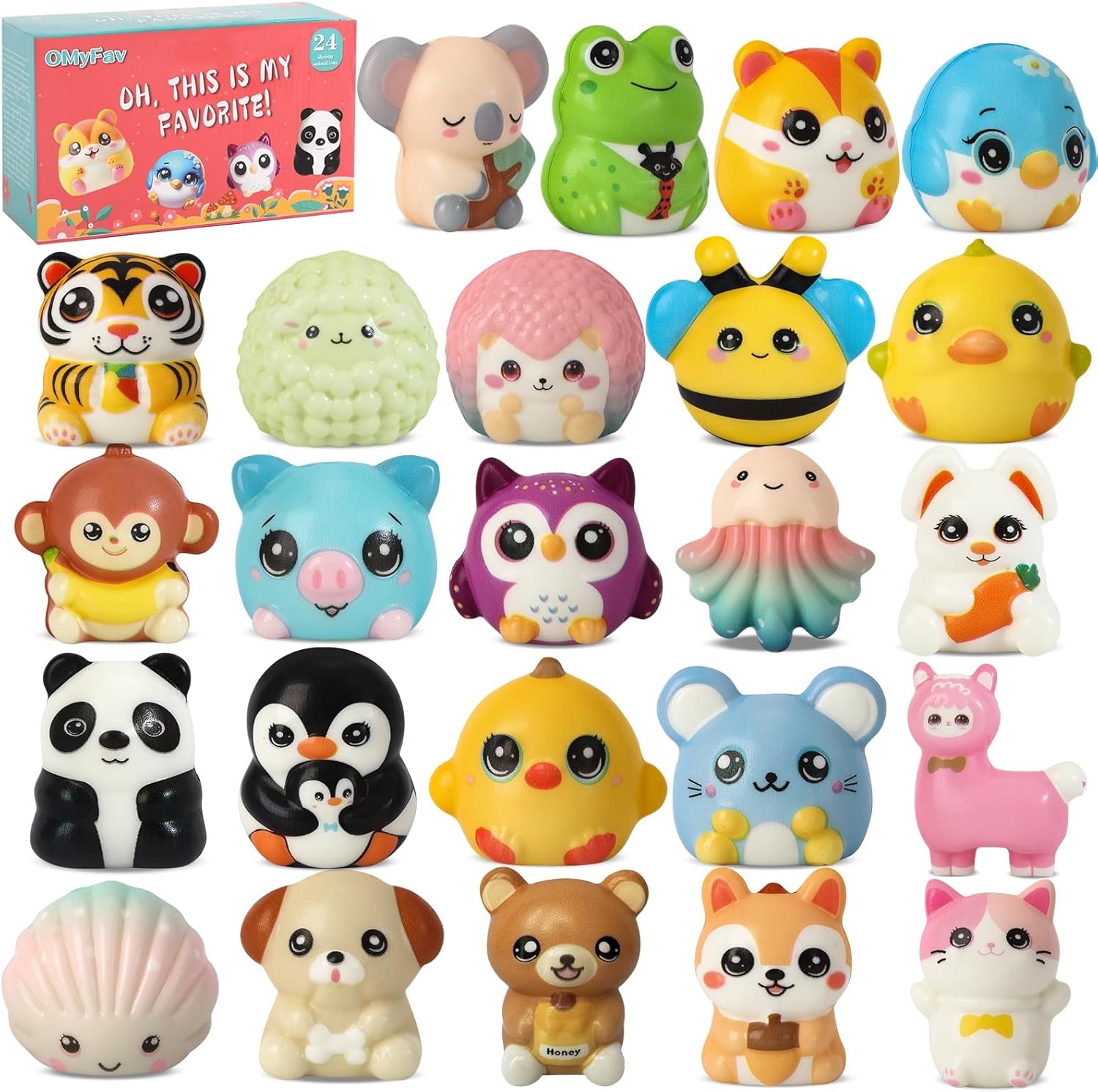

The keychains are the quiet workhorse of the three: cheapest per piece of anything we make, which is exactly what you want in an anchor, since your real-dollar cost stays low while the class-currency price stays high. The squishies pull double duty as calm-corner stock, and the pens keep working after the purchase; a store prize that shows up in the pencil case every day is free advertising for the store.
How should I price items in a classroom economy?
Price in class currency, and let two principles do the work. The first is predictability: post the price list, keep it stable, and change it rarely and with notice. Students will only hold earnings across weeks if they trust that the anchor they're saving for will still cost the same when they get there. Reprice mid-stretch and you've taught the whole room to spend everything on store day, which collapses the economy back into a handout line.
The second is that your cost and the store price are unrelated. Figure what a student earns in a typical good-behavior week, then set consumables at a day or two of that and anchors at a week-plus, enough that reaching one is a genuine accomplishment. The keychain that cost you about a dollar can and should be the most expensive thing on the shelf, because scarcity and desirability set the price. A few practical trims: keep the number of distinct prices small (five or six price points is plenty), make the cheapest privilege reachable in a single day so nobody's ever fully broke, and if you run table points alongside individual earnings, decide up front whether table earnings spend in the store or cash out as group privileges. Mixing the two mid-year is where the arguments come from.
Brag tags: the zero-shelf alternative
If stocking any shelf sounds like one more thing to manage, brag tags (reward tags, in the more current phrasing) run the recognition side of a classroom economy with no inventory at all. As WeAreTeachers' guide to reward tags lays it out, tags are small printed cards students earn for specific behaviors or achievements and collect on a chain necklace or in a tag book. The whole system costs a printer and some card stock, and the collecting and displaying is itself the payoff.
That makes tags and a class store complements. Tags carry the high-frequency recognition a store can't (you can award a tag the moment the behavior happens; a store pays out on Friday), while a small physical anchor covers the tangible milestone. A pairing that works: tags for the day-to-day, and a prize from the anchor shelf when a student hits a collection milestone, tenth tag or twenty-fifth, whatever fits your year. One 24-pack of anchors covers a whole roster of milestone moments precisely because milestones are rare.
Non-food by default, and the restock math
Run the store non-food. Many district wellness policies discourage food rewards outright, and even where yours doesn't, candy on the shelf drags in allergy management and parent email you don't need, while teaching nothing about saving, since it's gone before the bus ride home. Every tier above already works without a single edible item on it; that's just what a well-tiered store stocks anyway.
Now the restock math. The average public elementary class ran 19.1 students in self-contained rooms in 2020–21, per federal survey data, so a 24-count pack covers a typical roster once with spares. And since anchors cash out slowly by design, one pack of each is realistically a term of stock. Here's the shelf as a buying list, with a store-price suggestion in class-currency terms rather than dollars, because the store price is yours to set:
| Anchor pack | Pieces | Pack price | Cost each | Store price suggestion |
|---|---|---|---|---|
| Kids keychains (value pack) | 24 | $15.99 | $0.67 each | A week-plus of typical earnings; the headline anchor |
| Cute animal squishies | 24 | $18.99 | $0.79 each | About a week of earnings; the approachable anchor |
| Pom pom pens | 24 | $22.99 | $0.96 each | About a week of earnings; the useful anchor |
Treat the 19.1 figure as a planning estimate, and buy one spare pack rather than run the anchor shelf dry mid-term; an empty anchor shelf is the fastest way to teach a room that saving wasn't worth it. If your reward system runs on a dig-in bin rather than a priced shelf, the same items tier into a classroom treasure box instead; and for the rest of the room setup beyond prizes, our classroom must-haves guide covers what teachers keep on hand. The full hub of school prize guides ties the whole system together.
Frequently asked questions
What do teachers put in a class store?
A working class store carries three tiers: free privileges like line leader or a shoes-off pass, cheap consumables like stickers and pencils, and a small anchor shelf of prizes kids keep (plush charms, squishies, fun pens) that students save up for. The free tier does most of the daily motivating, the low tier gives quick wins, and the anchor tier gives the classroom economy something worth earning toward. Bought in bulk, the anchors cost about a dollar each.
What are brag tags?
Brag tags, also called reward tags, are small collectible cards students earn for specific behaviors or achievements and display on a chain necklace or in a tag book. The tags themselves are the reward, which makes them the zero-shelf alternative to a class store: nothing to stock beyond a printer and card stock. Many teachers run both at once, using tags for day-to-day recognition and a physical anchor prize at the bigger milestones.
How should I price items in a classroom economy?
Price in your class currency, keep prices predictable, and post the price list. A useful rule of thumb: a cheap consumable costs about a day or two of typical earnings, and an anchor prize costs a week-plus of good-behavior earnings so it stays aspirational. Desirability and scarcity set the store price, whatever you paid in real dollars. And resist repricing mid-stretch; a stable price list is what makes saving feel worth it.
What are good non-food classroom rewards?
Privileges are the strongest free tier: line leader, a shoes-off pass, a turn in the teacher's chair, choosing the read-aloud. When you want a physical reward, small durable items win (soft squishies, clip-on keychains, fun pens) because they last past the day and sidestep the allergy and sugar issues that lead many district wellness policies to discourage food rewards. Bought by the pack they cost about a dollar each.
How much does it cost to stock a class store?
Less than the shelf makes it look. The free tier costs nothing, the consumable tier is pocket change, and the anchor tier runs about a dollar per item when bought as bulk packs. Because anchors are priced at a week-plus of class earnings, students cash them out slowly and a 24-count pack lasts weeks. Prices on this page are pulled live from our Amazon listings, so the per-piece math stays current even when prices move.
How often should the class store be open?
Most teachers open the store on a fixed rhythm, often Friday, folded into Fun Friday. A predictable store day keeps shopping from eating instruction time, teaches students to hold their earnings instead of spending every point the hour it lands, and turns restocking into a once-in-a-while chore. Whatever rhythm you pick, keep it consistent; a store that opens at random undermines the saving habit the economy is meant to build.
OMyFav makes the products featured on this page. All “shop” links go to our own Amazon storefront.