Classroom Treasure Box Ideas Kids Dig For
What should I put in a classroom treasure box?
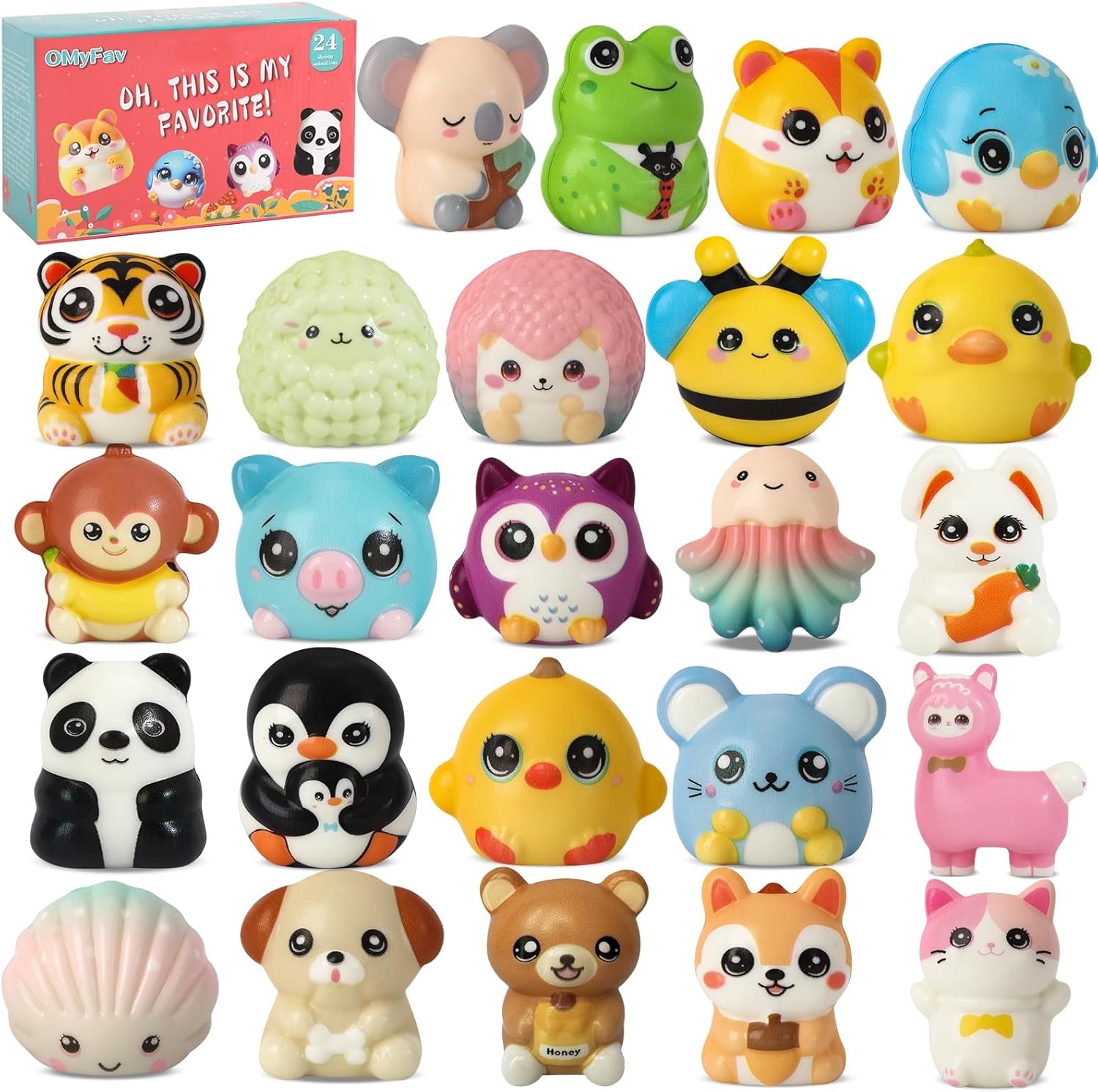
A classroom treasure box is a container of small, low-cost prizes that students choose from as a reward for good behavior or hitting a goal. Start with the one test that matters: does the kid still have it a week later? Everything that goes in should pass it. In practice that narrows the field to a small, reliable set: soft squishies to squeeze, keychains that clip onto a backpack, and pens kids genuinely want to write with. Each of those is a real object that does something, which is exactly why it gets kept instead of dropped in the footwell of the car. Round the box out with the occasional sticker sheet or pencil if you like, but let the toys-with-personality do the heavy lifting, because those are what kids reach past everything else to grab.
Keep two rules in mind while you fill it. First, non-candy wins: candy is gone in thirty seconds, trips over allergies and sugar rules, and teaches nothing about a reward being worth the wait. Second, assorted designs matter more than they sound. When a pack comes in a variety of faces or characters, every kid gets to pick a favorite, and the one they picked is the one they hang onto.

How do I tier and fill a treasure box cheaply?
Tiering does most of the work. Make most of the box cheap everyday wins a kid can grab after a good day, and keep a smaller stash of nicer picks for the top of a points chart or a Friday drawing. The coveted items stay special and your spend stays flat, because kids cash out at the top tier far less often than they grab from the everyday one. Buy every tier from bulk packs and the per-piece cost falls low enough that the box stays stocked all year without a painful monthly re-up. Here's how our packs sort into that structure, with live per-piece pricing:
| Tier | Pack | Pieces | Pack price | Cost each |
|---|---|---|---|---|
| Everyday win (most of the box) | Cute animal squishies | 24 | $18.99 | $0.79 each |
| Clip-on win | Kids keychains | 24 | $15.99 | $0.67 each |
| Useful win | Pom pom pens | 24 | $22.99 | $0.96 each |
| Top pick (save-up tier) | Kawaii plush keychains | 24 | $20.99 | $0.87 each |
Every pack in that table is a 24-count, so the pack price and the per-piece figure move together. The squishies come in cheapest per piece, which is why they make the ideal everyday layer, while the plush keychains earn the top tier on how much kids want them rather than on cost. As a rough rule of thumb, one 24-pack goes around a typical elementary class once; the average public elementary class ran 19.1 students in self-contained rooms in 2020–21, per federal survey data. It's a planning estimate, so buy a spare pack rather than run short mid-year. For how this ladders up into a full reward system, and how to lean on free, non-object rewards between prizes, see classroom reward ideas that motivate.
How do I keep junk out of the treasure box?
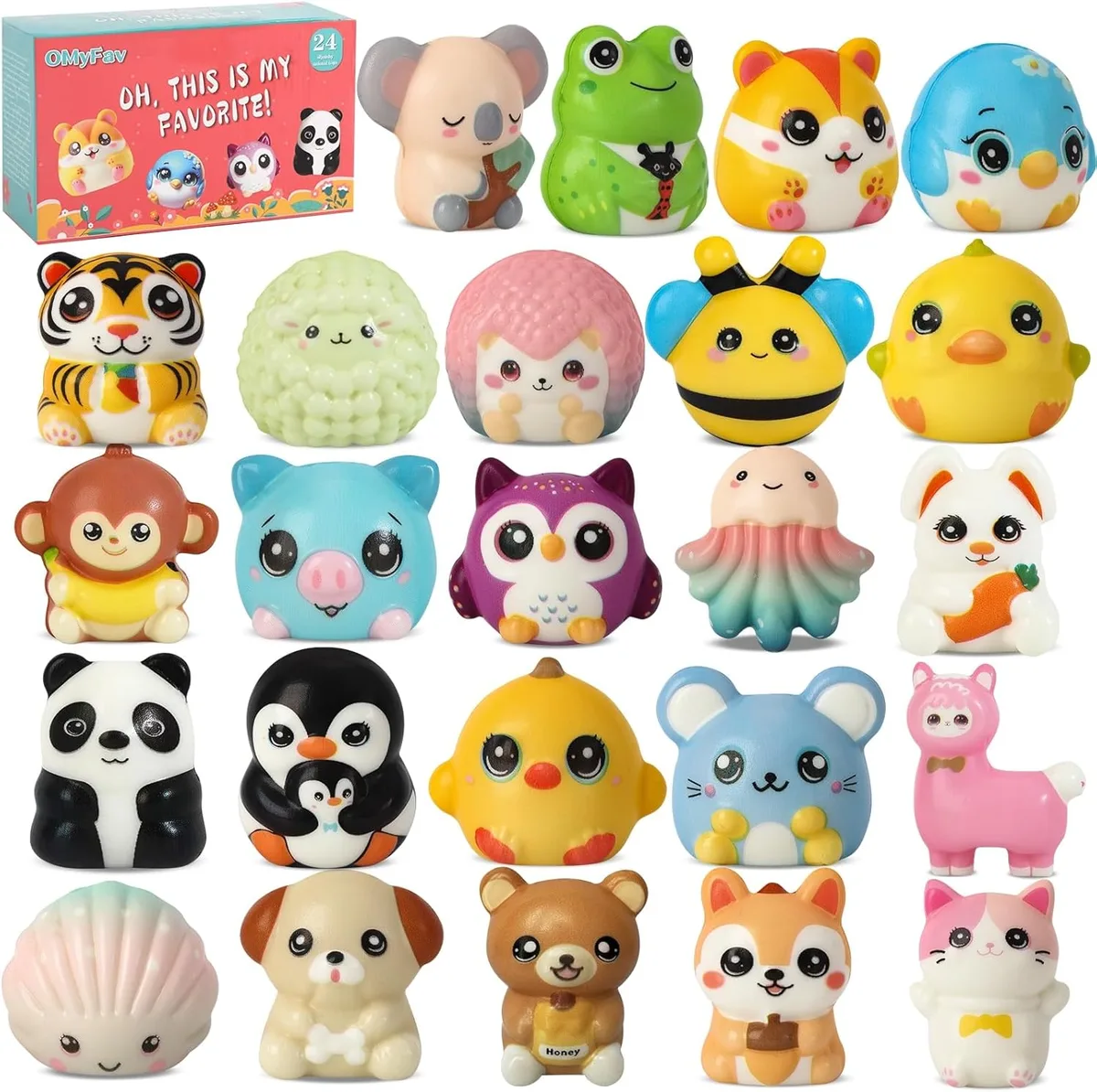
Junk is what a treasure box turns into when nobody filters it. The paper party favors, the erasers that shred, the trinkets that snap the first time they're sat on: fun for a morning, gone by lunch, and a box full of them starts feeling like a recycling bin. The fix is the same test from the top: does it survive a backpack and stay interesting for more than a day? Anything that fails doesn't go in.
The practical version of that rule is to favor items that do a job over pure novelties, and to buy fewer, better things rather than a giant bag of stuff. A working pen writes homework. A clip-on charm rides on the outside of a bag where it can't get lost. A soft squishy gives busy hands something quiet to do. Each of those keeps earning its place long after a novelty eraser is dust in the bottom of the box. It's cheaper over the year, too: a handful of durable, wanted items costs less than a constant churn of cheap stuff you replace every week. When the same items double as first-day handouts or student gifts, our back-to-school supplies guide covers the fun-but-functional angle in more depth.
Treasure box prizes we don't make (but that earn a spot)
We make squishies, keychains, and pens, so the table above is naturally our lineup, but a good treasure box is broader than one brand, and several classics we have no stake in pass the survive-a-backpack test. Sticker sheets are the cheapest everyday-tier item in existence; the tradeoff is they're consumed on the spot, which thins out the still-has-it-a-week-later standard. Bouncy balls are a guaranteed grab at every grade and a guaranteed interruption, because they will get bounced in your classroom, which is why some teachers send them straight into the backpack for home. Mini notebooks with a small pack of crayons are a genuinely useful pick for the younger grades, though a few kids will read them as school supplies in disguise. Temporary tattoos are steady currency around ages 6–10; check your school's policy first, since some schools and parents would rather skip them. And a small card game makes a legitimate top-tier prize that gets played at home; the caveat is that a deck missing three cards is a deck in the trash.
Restocking without turning it into a chore
The reason most treasure boxes slide into junk isn't bad taste — it's the scramble. You run low, grab whatever's cheap and in reach, and the box quietly fills with filler. The fix is to make restocking a decision you already made. Pick your tiers once, buy the packs that fill them, and keep one spare pack of the everyday layer on a shelf so you're never choosing prizes under pressure. When the everyday layer is a single reliable item (for us, the squishies), restocking is one order instead of a shopping trip, and the box stays consistent.
A little organization inside the box helps the prizes read as special, too. Keep the top-tier picks in a separate bag or a labeled corner rather than loose in the pile, so a kid cashing out a milestone feels the difference between an everyday grab and a real reward. Rotate the assortment when a pack runs down; a fresh set of faces re-sparks interest at no extra cost. Decide the system once and the box mostly runs itself.
Frequently asked questions
What should I put in a classroom treasure box?
Fill it with small toys that survive a backpack and stay interesting past the walk to the car: soft squishies, clip-on keychains, and fun pens are the reliable core. Keep the mix non-candy, keep the designs assorted so kids can pick a favorite, and skip the flimsy trinkets that break the same day. A good rule is to load most of the box with cheap everyday wins and hold back a small layer of nicer picks for a top reward tier.
How do I fill a treasure box cheaply?
Buy in bulk and tier the box. A single bulk pack drops the per-piece cost to a fraction of shelf price, which is what makes restocking sustainable across a whole year. Put the cheapest crowd-pleaser (for us that's the squishies) as the everyday layer, and reserve pricier or more coveted items for milestones so one pack lasts longer.
What are good non-candy treasure box prizes?
Soft squishies for fidgeting, keychains that clip to a backpack, and pens kids enjoy writing with all outlast candy and dodge the allergy and sugar issues. The test is whether a kid still has it a week later; small toys with personality pass. Assorted-design packs help because the item a kid chose is the one they keep.
How do I keep junk out of the treasure box?
Apply one filter before anything goes in: does it survive a backpack and stay interesting for more than a day? That rules out the paper favors, the erasers that shred, and the trinkets that snap. Favor items that do a job, like a working pen or a squeeze toy, and buy fewer, better things rather than a giant bag of stuff that's landfill by Friday.
How many treasure box prizes do I need?
As a rough rule of thumb, one prize per child per reward cycle is a reasonable starting point, adjusted to how often you let kids dig in; weekly draws burn through more than milestone cash-outs. A single 24-count pack goes around a typical elementary class once. Treat that as a planning estimate, and keep a spare pack so you don't run dry mid-year.
How much does it cost to stock a treasure box?
Per prize, a fraction of shelf price when you buy from bulk packs; the exact figures are shown live on this page and on each Amazon listing. A single 24-count pack is the practical unit of restocking, and tiering the box so the cheapest items carry the everyday layer keeps the running cost down over the year. Prices on this page are pulled live from our Amazon listings, so the per-piece math stays current even when prices move.
What do teachers put in a classroom treasure box?
Most teacher boxes run the same few categories: small toys with personality (squishies, clip-on keychains), useful items kids like anyway (fun pens, mini notebooks), cheap consumables (stickers, temporary tattoos), and a few bigger save-up prizes like a small card game. The structure matters as much as the contents: load most of the box with cheap everyday wins and hold back a small tier of coveted picks for milestones. Bought as bulk packs, the whole system runs under a dollar a prize.
OMyFav makes the products featured on this page. All “shop” links go to our own Amazon storefront.