Classroom Reward Ideas That Actually Motivate
What are the best non-food classroom rewards?
The best rewards in most classrooms aren't things at all; they're privileges, and they're free. Extra recess, free-choice time, choosing where to sit, line leader for the day, picking the class read-aloud, a no-homework pass: these land harder than almost any object because they change a kid's day, and they cost the budget nothing. Build the backbone of your system out of them, then layer a points, tickets, or marble-jar mechanism on top so kids have a visible goal to work toward. A token economy is a reward system where students earn tokens for target behaviors and later exchange them for a privilege or a small prize; it does the day-to-day motivating while costing next to nothing. That stack of free privileges, a visible goal, and an occasional small prize is what works as incentives for elementary students, and none of it starts with spending money.
Candy tends to be the default fallback, and it's a weak one: gone in thirty seconds, tangled up with allergies and sugar rules, and it teaches nothing about a reward being worth the wait. A small object that lasts sticks around, sidesteps the food issues, and gives a kid something to keep. That's the case for small-object rewards over treats, and it's why they pair so well with a privilege-first system: the free stuff carries the everyday motivating, and the object marks the milestone.
Small-object rewards worth keeping on hand
When you do want a physical reward, the ones that work are small, durable, non-candy, and have a bit of personality, the same qualities that make a good treasure-box prize. A soft squishy doubles as a fidget or a calm-down-corner tool, so it keeps earning its place long after it's handed over. A fun pen gets used in the pencil case every day, which is about the best fate a classroom reward can have. Assorted-design packs matter here too: when a kid gets to pick the one they like, the reward feels earned.
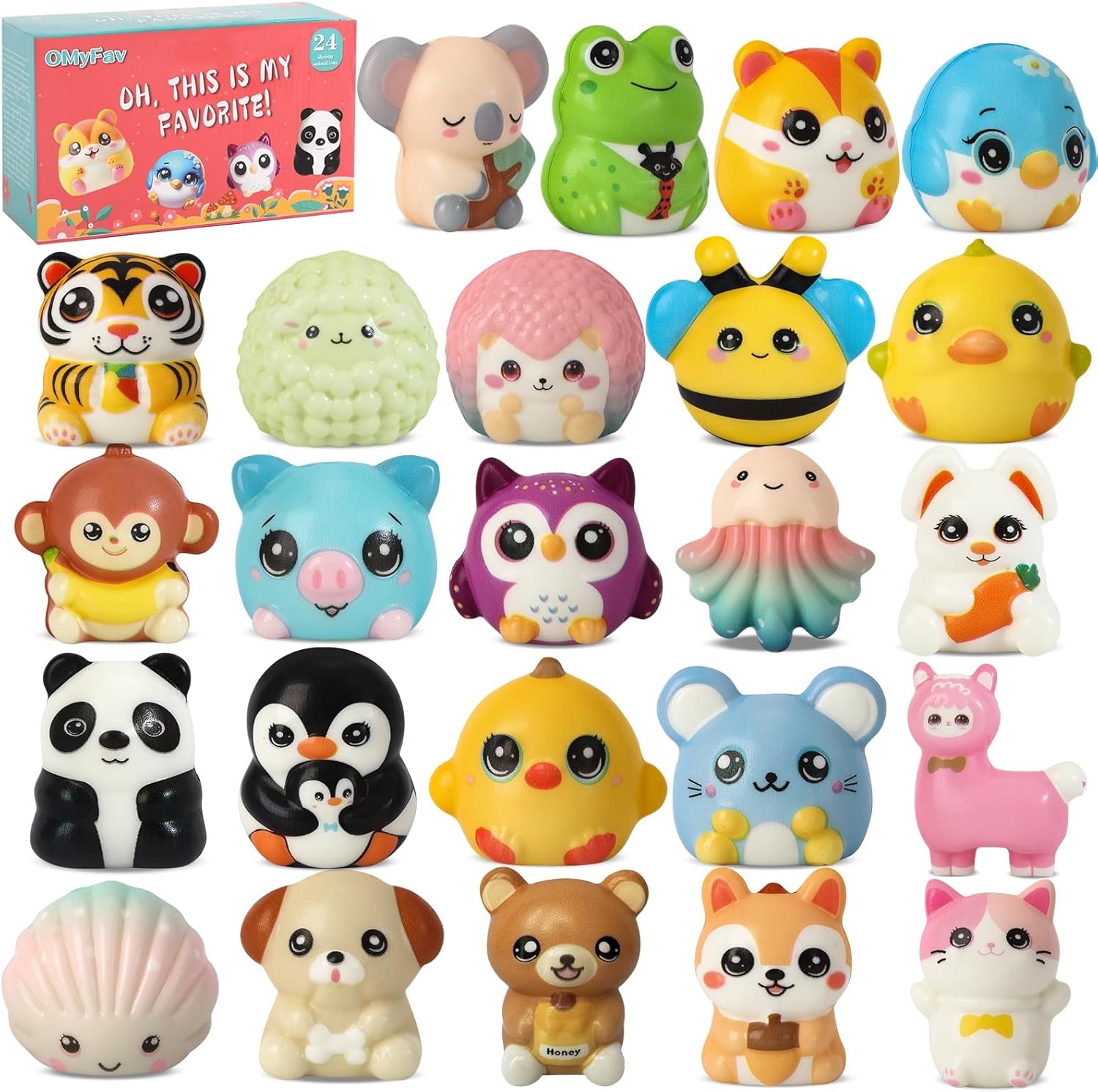

Bought from a bulk pack, small rewards like these are cheap enough to work as milestone payoffs without becoming a budget line. Here's how a couple of our picks land per piece:
| Reward | Pieces | Pack price | Cost each | What it's good for |
|---|---|---|---|---|
| Cute animal squishies | 24 | $18.99 | $0.79 each | Fidget / calm-down-corner reward; lowest cost per piece |
| Pom pom pens | 24 | $22.99 | $0.96 each | A real pen kids use daily; a reward that lives in the pencil case |
Both are 24-count packs, so a single pack is enough for each kid in a typical elementary class to get one; the average public elementary class ran 19.1 students in self-contained rooms in 2020–21, per federal data. Treat that as a planning estimate and keep a spare pack rather than run short. If you'd rather run a dig-in reward than hand things out individually, the tiered classroom treasure box approach uses these same items as its everyday and useful-win layers.
When a physical prize helps
A physical prize helps in exactly one spot: as the occasional cash-out at the top of your system, the thing a kid works toward. Tie it to a filled points chart, a full marble jar, or a Friday drawing, and the object gives all those free privileges a tangible payoff and marks a genuine milestone.
The trap is a prize for every little thing. Hand one out every hour and two things happen: the cost balloons, and the reward stops meaning anything, so kids quit caring and you're left paying more for less motivation. As a rough rule of thumb, keep physical prizes tied to milestones and let free privileges fill the gaps, tuned to how your class responds. Get that balance right and one bulk pack of small items stretches across weeks. For where these same rewards double as first-day or student gifts, our back-to-school supplies guide covers the fun-but-functional picks in more depth.
Build a simple system kids can see
Motivation sticks when the goal is visible. Whatever mechanism you choose (a marble jar the whole class fills together, a punch card each kid carries, tickets that pile up toward a Friday drawing), the power comes from a kid being able to look up and see how close they are. A jar that's three-quarters full is its own reminder. Keep the rules dead simple, because a system a second-grader can explain back to you is one they'll chase, while a complicated economy of bonuses and penalties mostly creates arguments.
Decide up front whether you're rewarding the individual or the group, since they pull in different directions. Whole-class goals like the marble jar build cooperation and are cheap to run, because the payoff is usually a free privilege everyone shares. Individual charts recognize a specific kid's effort and are where a small physical prize fits best, as the personal cash-out at the top. Many classrooms run both at once: a group jar for the shared privilege, individual tickets for the occasional object.
Match the reward to the age
Younger kids respond to frequent, immediate, tangible wins, like a sticker chart that pays out fast or a squishy from the box after a good day; a reward a week away barely registers at five. Older kids can hold out for a longer goal and often prize a privilege over any object, so lean harder on the free stuff as the grades climb and reserve the physical prize for the genuine milestone. It's the same toolkit either way; you're just adjusting how often it pays.
Frequently asked questions
What are good non-candy classroom rewards?
The strongest non-candy rewards cost little or nothing: class privileges like extra recess, free-choice time, or picking the read-aloud, plus point and ticket systems that let kids work toward something. When you do want a physical reward, small durable objects like a soft squishy or a clip-on keychain outlast candy and dodge the sugar and allergy issues. Save the objects for milestones so they stay special.
How do I motivate a class without spending much money?
Lean on the free stuff first. Privileges (extra recess, choosing a seat, line leader, a no-homework pass) motivate hard and cost nothing, and a points or marble-jar system gives kids a visible goal to chase. Reserve physical prizes for the top of that system, and a single bulk pack of small items will stretch across weeks.
Are small-object rewards better than candy?
For most classrooms, yes. A small object that lasts sidesteps allergies and sugar rules, doesn't vanish in thirty seconds, and gives a kid something to keep. Soft squishies double as fidgets, pens get used in the pencil case, and keychains clip to a backpack; each keeps working long after candy would be gone. Assorted designs let kids pick a favorite, which makes the reward feel earned.
How often should I give out prizes?
Less often than you'd think. As a rough rule of thumb, tie physical prizes to milestones (a full points chart, a filled marble jar, a Friday drawing) and fill the gaps with free privileges. That keeps the objects special and one bulk pack lasting. It's a judgment call, so tune it to how your class responds.
What small prizes work as classroom rewards?
Small, durable, non-candy items with a bit of personality: soft squishies for a fidget or calm-down corner, fun pens kids keep in the pencil case, and clip-on keychains for backpacks. Bought from a bulk pack they're cheap enough to give as occasional milestone rewards. Prices on this page are pulled live from our Amazon listings, so the per-piece math stays current even when prices move.
OMyFav makes the products featured on this page. All “shop” links go to our own Amazon storefront.