Classroom Must-Haves Teachers Actually Use
What are the real classroom must-haves?
Ask a teacher what the room really burns through and the answer is refreshingly unglamorous: consumables. Pencils vanish, tissues empty in a week during cold season, glue sticks dry out, and there is never enough paper. Those are the true must-haves, and they're what a supply drive or a room parent should cover first, before any topper, charm, or novelty.
The second tier is where a classroom's personality lives: a jar of communal pens kids can borrow, and a small reward box for the treasure-box moment that keeps a Friday afternoon on track. Teachers rarely have budget line items for those, which is exactly why they're the sweet spot for outside help. Federal data shows how routinely teachers cover the gap themselves: in 2020–21, 94.8% of public school teachers spent their own money on classroom supplies without reimbursement, an average of $470 each. The smartest picks in this tier hold two jobs at once: a fun pen is a communal writing tool and a reward a kid is thrilled to earn, and a soft fidget is a focus aid that moonlights as a treasure-box prize.
Two of ours land squarely in that zone. The pom pom pens are our Classroom Pick because they're real pens first and earn a place in a pencil case, and the animal squishies give restless hands a quiet outlet without making a sound.

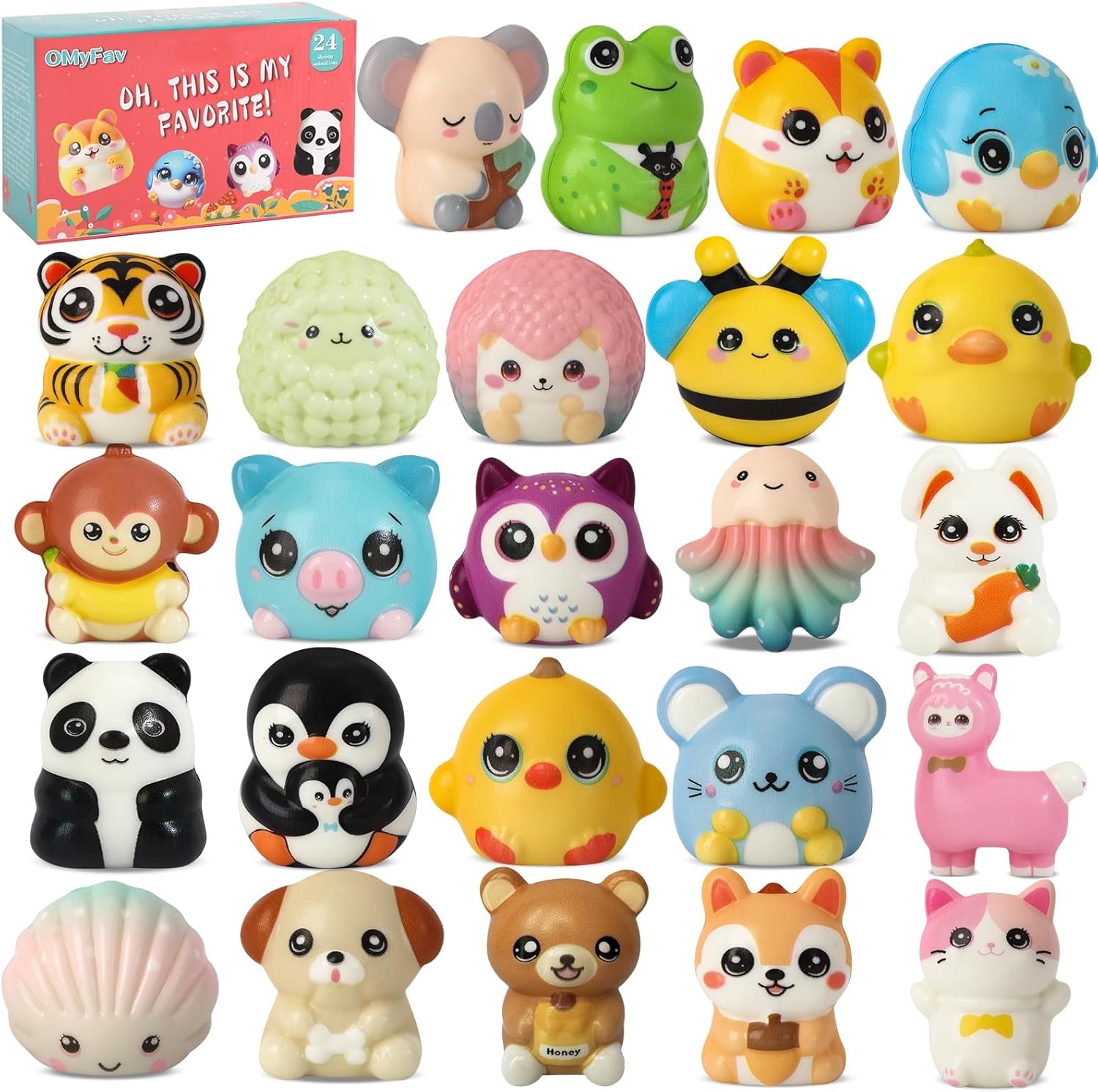
How fun pens and fidgets pay their way in a class set
The case for spending on the fun versions is simple math plus behavior. A pom pom pen costs about the same per piece as a plain pen once you buy the pack, but it's the one a kid keeps track of instead of leaving on the floor. A quiet squishy costs a little less and earns its keep as a focus tool: it gives a fidgety kid something to do with their hands that doesn't roll off the desk or click like a spinner. Across a class set, small upgrades like these change the daily texture of the room more than the price tag suggests.
Here's how the two stack up per piece when you buy them by the pack, so you can size a class order without guessing:
| Item | Pack count | Price | Per piece | Classroom job |
|---|---|---|---|---|
| Pom Pom Pens | 24 | $22.99 | $0.96 each | Communal pens + reward kids keep and use |
| Cute Animal Squishies | 24 | $18.99 | $0.79 each | Quiet calm-down-corner fidget + treasure-box prize |
For a class of 20 to 30, a single 24-pack of either covers one round with a few held back for new students; the average public elementary class ran 19.1 students in self-contained rooms in 2020–21, per federal survey data. If you want to combine a supply drive with a reward refill, one pack of each is a tidy, well-under-$40 contribution that a teacher will genuinely feel.
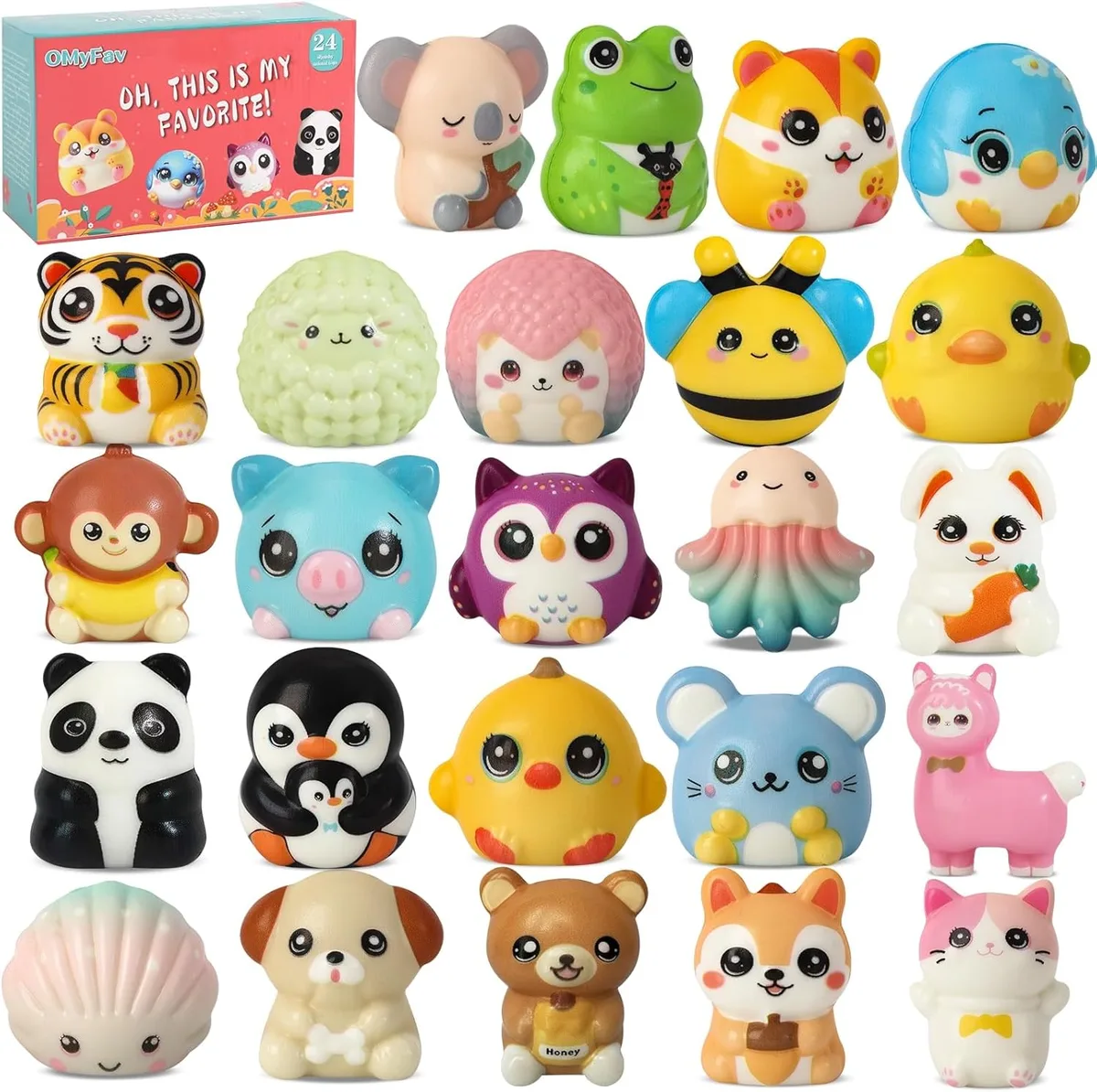
Buying for the whole class: one pack, one box
The bulk case is the one every teacher already knows: one pack shows up in one box, at a per-piece rate instead of retail markup. An assorted pack also gives kids variety (a different pen face, a different squishy animal), which makes the reward feel like a choice. Keep a small reserve back for mid-year arrivals and restock the bin when it runs low rather than overbuying in August.
When the item crosses from supply into reward, it starts to overlap with prizes. Our school prize ideas hub covers how to stock a treasure box and tier prizes by effort so a reward system stays affordable and motivating all year. If you're building the full kit from scratch, start from our complete back-to-school supplies guide, which lays out the whole list and where each fun pick fits.
Matching classroom rewards to ages
The one place a class set can go wrong is age fit. The younger the room, the more caution a reward needs: for early grades, favor soft, simple items with no small removable parts. A soft squishy is friendlier for little hands than a keychain because there's no clip or ring, though a squishy is still made to be squeezed rather than chewed. The small-parts line is age three, and we didn't set it. Anything with a clip, a ring, or a pom pom stays away from under-threes, and the age grading on each listing is the rule, not a suggestion.
As you move up through elementary, the range of safe rewards widens quickly. Pens skew toward grades where kids write regularly; they're a natural treasure-box item in a room full of confident writers, less so in a pre-writing class. Clip-on charms sit comfortably across most elementary ages as backpack decorations. When a class spans a wide range, an assorted pack lets you hand the simpler items to the younger kids and save the pens for those ready for them.
Frequently asked questions
What are the real classroom must-haves?
The backbone is the consumables teachers burn through: pencils, tissues, glue, wipes, and paper. Add a communal stash of pens and a small bin of low-stakes rewards, and the room runs. Most teachers spend their own money on both, so anything a room parent can cover in bulk genuinely helps.
How many rewards do I need for one classroom?
For a typical elementary class of 20 to 30 kids, one 24-count pack covers a round of rewards with spares left over, and a treasure box you refill occasionally doesn't need much more than that at a time. Buy one assorted pack, keep a few spares back for new students, and restock when the bin runs low rather than overbuying up front.
Are fun pens too distracting for the classroom?
A pen is one of the least disruptive fun items because a kid writes with it. A pom pom pen sits in a pencil case and gets used like any other pen; the pom pom is just the part that makes a kid want to keep it. If a specific classroom has a rule against toppers, check first, but a working pen rarely raises an eyebrow.
Do squishies work as classroom fidgets?
Yes. A soft, slow-rise squishy gives restless hands something quiet to do, which is why they turn up in calm-down corners and on focus shelves. They make no noise, don't roll off the desk like a spinner, and a bulk pack gives you enough to keep a small bin stocked. Supervise younger kids and check the age grading, since squishies are for squeezing, not chewing.
Should room parents or the teacher pick the supplies?
Always follow the teacher's list for the core supplies; they know what the curriculum needs and what the room is short on. Room parents add the most value on the extras teachers rarely budget for: a refill for the reward box, a class set of fun pens, a fidget bin. A quick message asking what's running low turns good intentions into the right purchase.
What non-candy rewards hold up in a treasure box?
Small, useful items win: fun pens, clip-on charms, and soft fidgets all last far longer than candy and skip the sugar and allergy questions. Assorted packs let kids pick a favorite, which makes the reward feel earned. For a fuller breakdown of how to stock and tier a prize box, see our school prize ideas.
OMyFav makes the products featured on this page. All “shop” links go to our own Amazon storefront.