Non-Candy Easter Egg Fillers Kids Love
What makes a good non-candy egg filler?
The test is simple: does the kid still have it a week after the hunt? That one question quietly rules out most of the plastic in the seasonal aisle. Candy fails it because it's meant to be eaten and gone. The flimsy dollar-store trinket fails it because it breaks before the baskets are counted. What passes is a small toy that either does a job (clips onto a backpack, works as a fidget) or is nice enough that a kid decides to keep it. It also has to be small enough to fit a plastic egg, which rules out anything bulky unless you're using jumbo eggs.
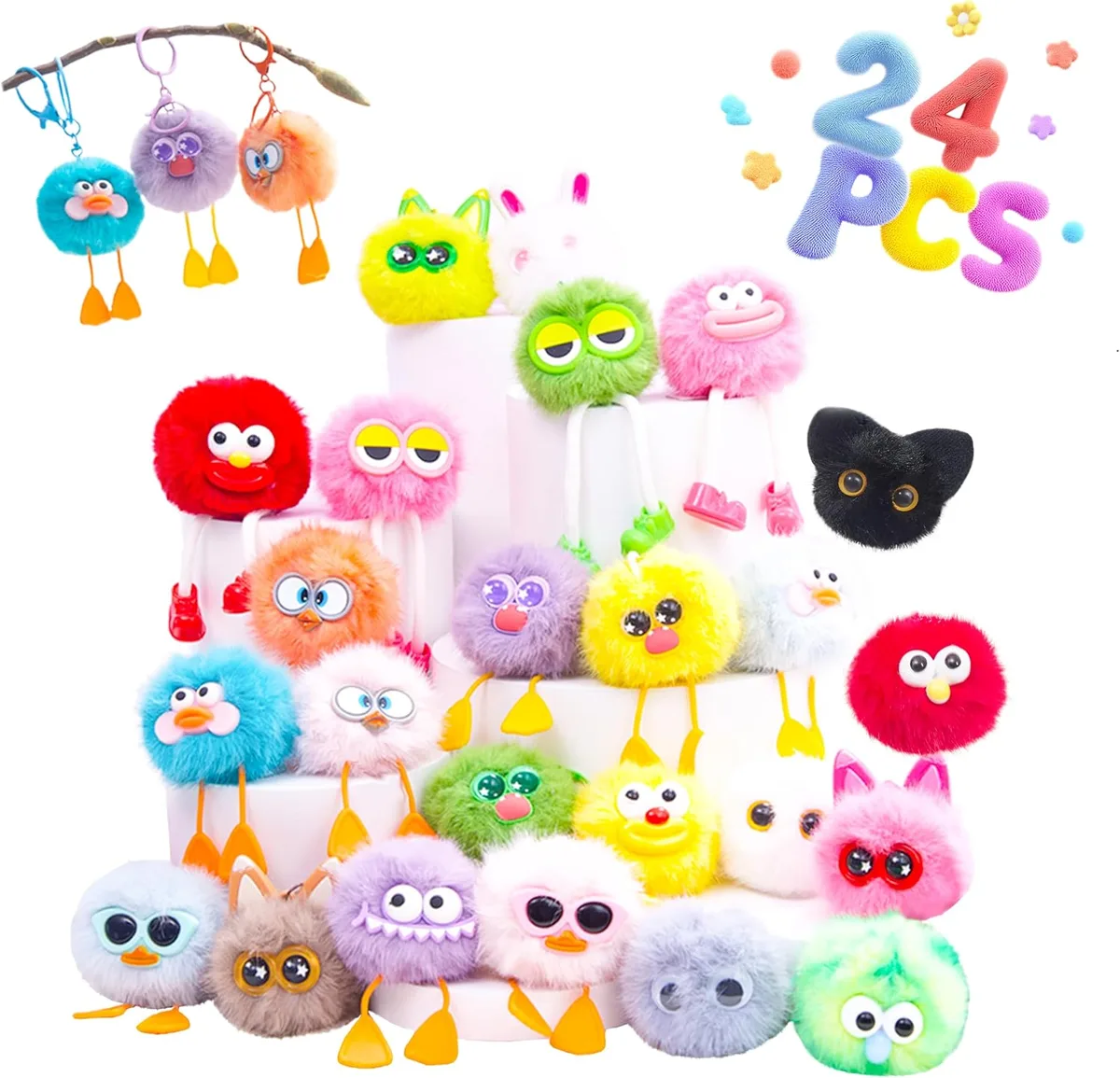
None of that requires the filler to be egg-shaped or pastel. A cute-animal keychain has nothing to do with Easter, and it's still a better thing to pull out of an egg than another fun-size candy bar, because a kid clips it on and keeps it. The one filler on our list that's genuinely on-theme is the chickie keychain (actual little chicks, unmistakably spring); the rest earn their place on keep-rate alone.
Why non-candy at all?
The case for skipping candy in at least some of the eggs comes down to three practical problems. Allergies: a non-food filler means no parent has to read an ingredient label and no kid gets left out of the hunt over a peanut or dairy allergy, which is exactly why schools and allergy-aware families lean this way for group hunts. The scale is bigger than most parents assume: about 1 in 13 children has a food allergy, roughly two in every classroom, according to Food Allergy Research & Education (FARE). Melt: chocolate in an egg left in the afternoon sun is a mess nobody wants to open. Memory: candy is eaten by Easter dinner, while a keychain from the hunt is still hanging off a zipper in May. None of this bans candy. Plenty of parents split the eggs, candy in some for the instant thrill and a small toy in others, but non-candy is the safer default and the part that lasts.
The case gets stronger the bigger the hunt. A backyard hunt for your own two kids can be whatever you like. A class hunt or a neighborhood egg hunt is a shared space where you can't vet every child's allergies, and a non-food filler removes that worry: for a class of about 20, those FARE numbers mean a child or two probably can't safely eat the candy, nobody's checking a label in the grass, and no kid should stand off to the side because the eggs aren't safe for them. That's also why room parents and event organizers reach for bulk non-candy fillers. One box covers the whole group, and it stores fine if the event slips a week instead of melting in a bin.
The fillers ranked by keep-rate
Here's our lineup ranked by keep-rate, which is our plain-language read on how likely a filler is to survive past the hunt rather than a measured statistic. Per-piece pricing is live:
| Non-candy filler (bulk pack) | Cost each | Keep-rate read | Best age fit |
|---|---|---|---|
| Kids keychains, 24-pack | $0.67 each | Highest: clips on and stays on the bag | Roughly 5–12 |
| Cute chickie keychains, 24-pack | $0.83 each | High: spring-appropriate, and cute enough that kids hold onto it | Roughly 4–10 |
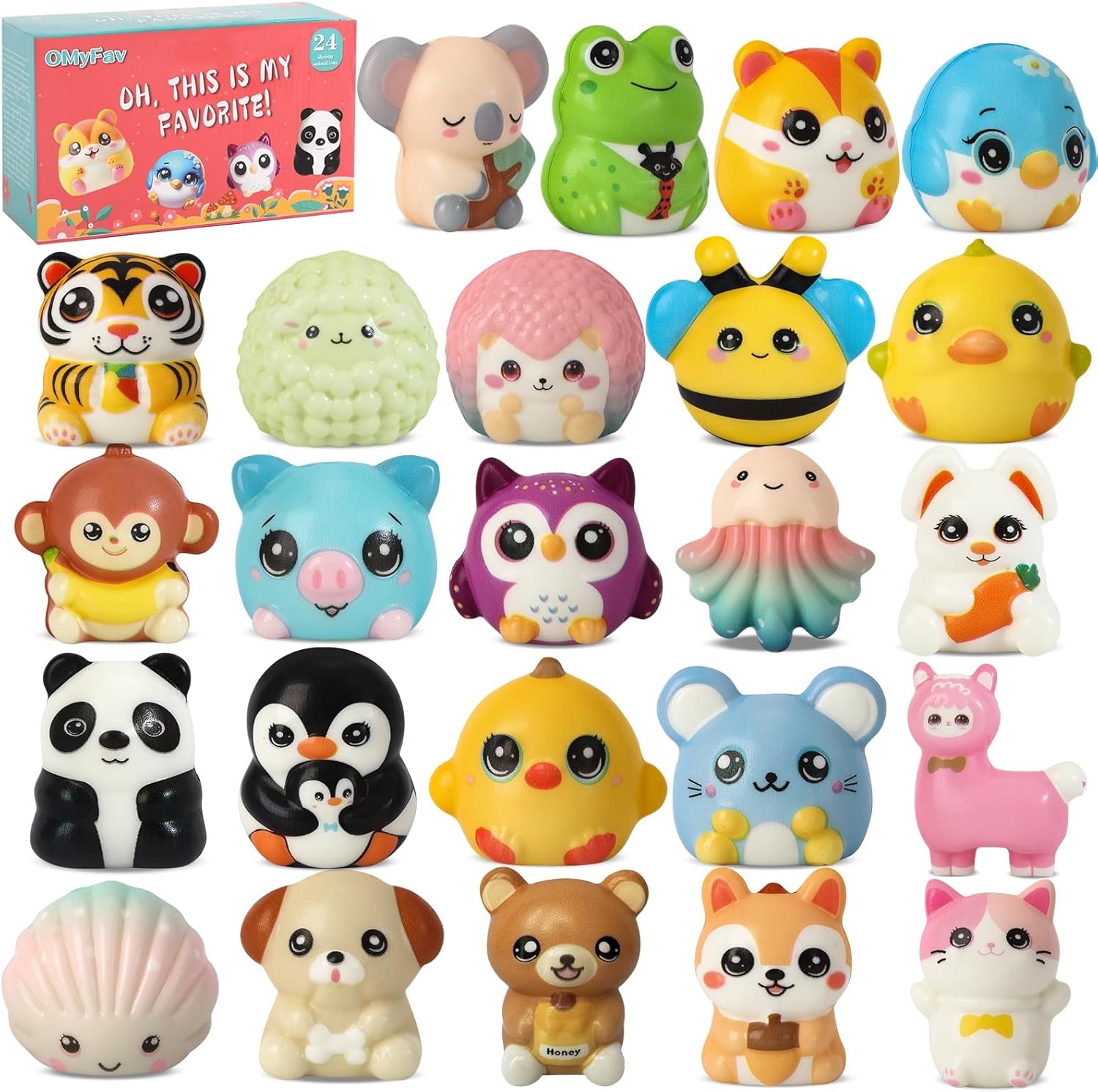
| Cute animal squishies, 24-pack | $0.79 each | High: it keeps getting picked up for the squeeze | Younger hands; softest option |
The squishies are the cheapest per piece, but the keychains top the keep-rate read because a clip-on favor rides around all year instead of getting set on a shelf. The chickies split the difference: almost the same keep-rate, and the only genuinely on-theme pick. Currently the kids keychains run $15.99 for the 24-pack and the squishies $18.99. For how these compare against candy and store-bought trinkets across the whole category, our Easter egg fillers hub has the full picture.

Non-candy fillers we don't make (and that still work)
Our lineup is keychains, chickies, and squishies, so we have no stake in the rest of these, and they still work. Sticker sheets fold or roll to fit almost any egg and cost next to nothing; the tradeoff is they're used up the same day, the garnish of an egg hunt rather than the find. Temporary tattoos are the same story, flat and cheap and beloved around ages 6–10, with the caveat that some parents would rather not discover them at bath time. Bouncy balls are practically shaped for a plastic egg and kids love the reveal; the downside is they roll off into the same grass the eggs just came out of, and they're a no for toddler hunts on small-parts grounds. And glow bracelets, coiled into a jumbo egg, turn a dusk hunt into an event for one night, then die by morning.
A quick word on age and safety
Non-candy solves the food-allergy problem, but small toys still carry the usual small-parts caution for very young children. Squishies are the softest, clip-free option, which makes them friendlier for little hands than a keychain; keychains read better for school-age kids who'll clip them onto a bag. The small-parts line is age three, and we didn't set it. Anything with a clip, a ring, or a pom pom stays away from under-threes, and the age grading on each listing is the rule, not a suggestion. If you want the by-age walkthrough at basket scale, our guide to Easter basket stuffers for kids sorts picks by age.
Frequently asked questions
What are good non-candy Easter egg fillers?
Good non-candy egg fillers are small toys a kid keeps: a clip-on keychain, a soft squishy, a little chick charm. They're allergy-safe, they don't melt in a warm egg, and unlike candy they're still around weeks after the hunt. A single box fills a couple dozen eggs. The rule is simple: it has to fit the egg, and a kid has to want to hold onto it.
Why choose non-candy fillers over candy?
Allergies, melt, and memory. A non-food filler is safe for a hunt where any kid might have an allergy, it won't turn to goo in an egg left in the sun, and it's still around long after the candy is gone. Plenty of parents split the eggs, candy in some and a small toy in others; non-candy is the safer default.
Are non-candy egg fillers allergy-safe?
A non-food filler sidesteps the food-allergy question entirely: there's no ingredient label to check and no kid left out of the hunt over a peanut or dairy allergy. That's the main reason schools and allergy-aware families lean non-candy for group egg hunts. Toys still carry the usual small-parts caution for very young children, so match the filler to the age and supervise toddlers; on the food-allergy front a toy is simply safe.
Which non-candy fillers do kids hold onto?
The ones that clip onto something or are satisfying to hold. A keychain rides on a backpack zipper for months; a slow-rise squishy gets picked up and squeezed again days later; a cute chick charm survives on sheer cute factor. The trinkets that don't survive are the flimsy ones that break the same afternoon. Assorted-design packs help too: a kid keeps the exact character they pulled from the egg.
How many non-candy fillers do I need?
One per egg, then round up for the eggs that crack or vanish in the grass. A 24-count pack fills two dozen eggs with a little margin; a bigger hunt means a second pack. If you're mixing toys and candy, a toy in about half the eggs keeps the toys feeling like a real find rather than the default.
How much do non-candy egg fillers cost each?
Bought by the box, under a dollar per egg; the same small toy bought singly off a shelf runs several dollars. Prices on this page are pulled live from our Amazon listings, so the per-piece math stays current even when prices move.
What can I put in Easter eggs besides candy?
Small toys and flat consumables that fit the shell: a clip-on keychain, a soft squishy, a chick charm, a folded sticker sheet, a temporary tattoo, a bouncy ball. The toys are the finds kids hang onto after the hunt; the flat cheap items fill out the count. Anything you pick just has to close inside the egg and be safe for the youngest kid hunting.
OMyFav makes the products featured on this page. All “shop” links go to our own Amazon storefront.